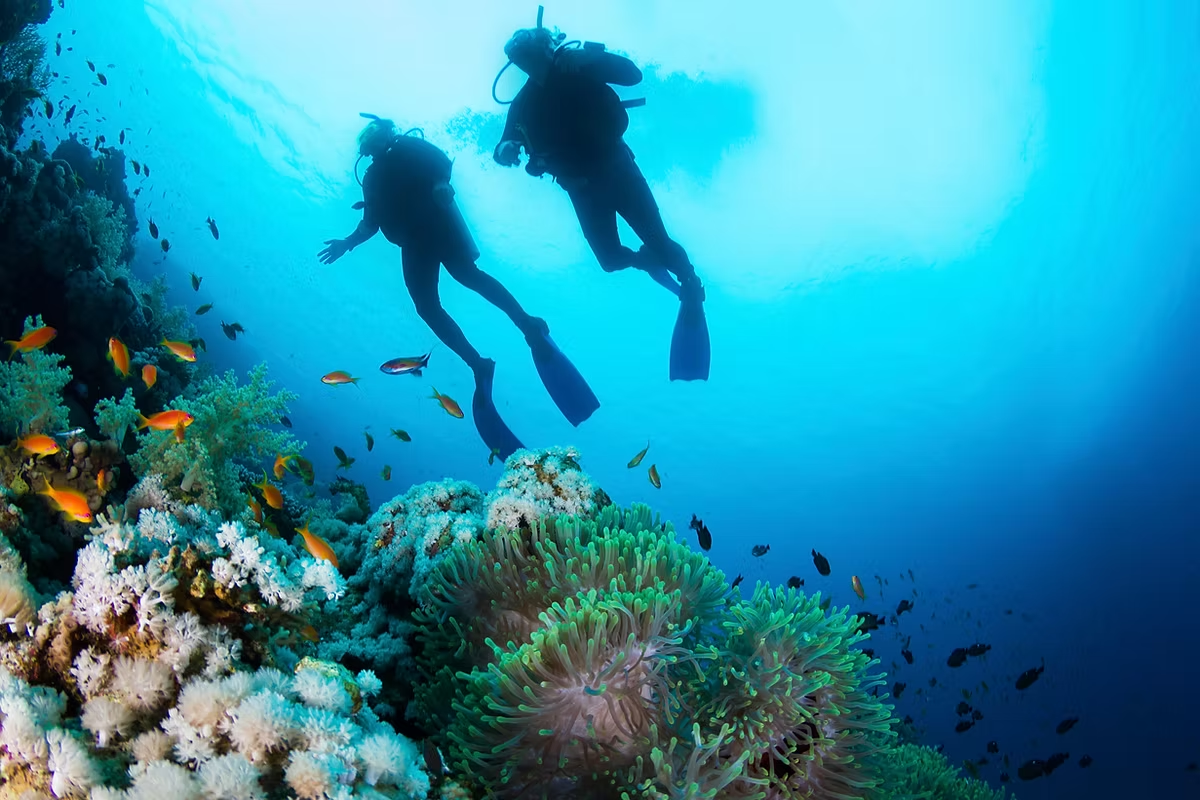

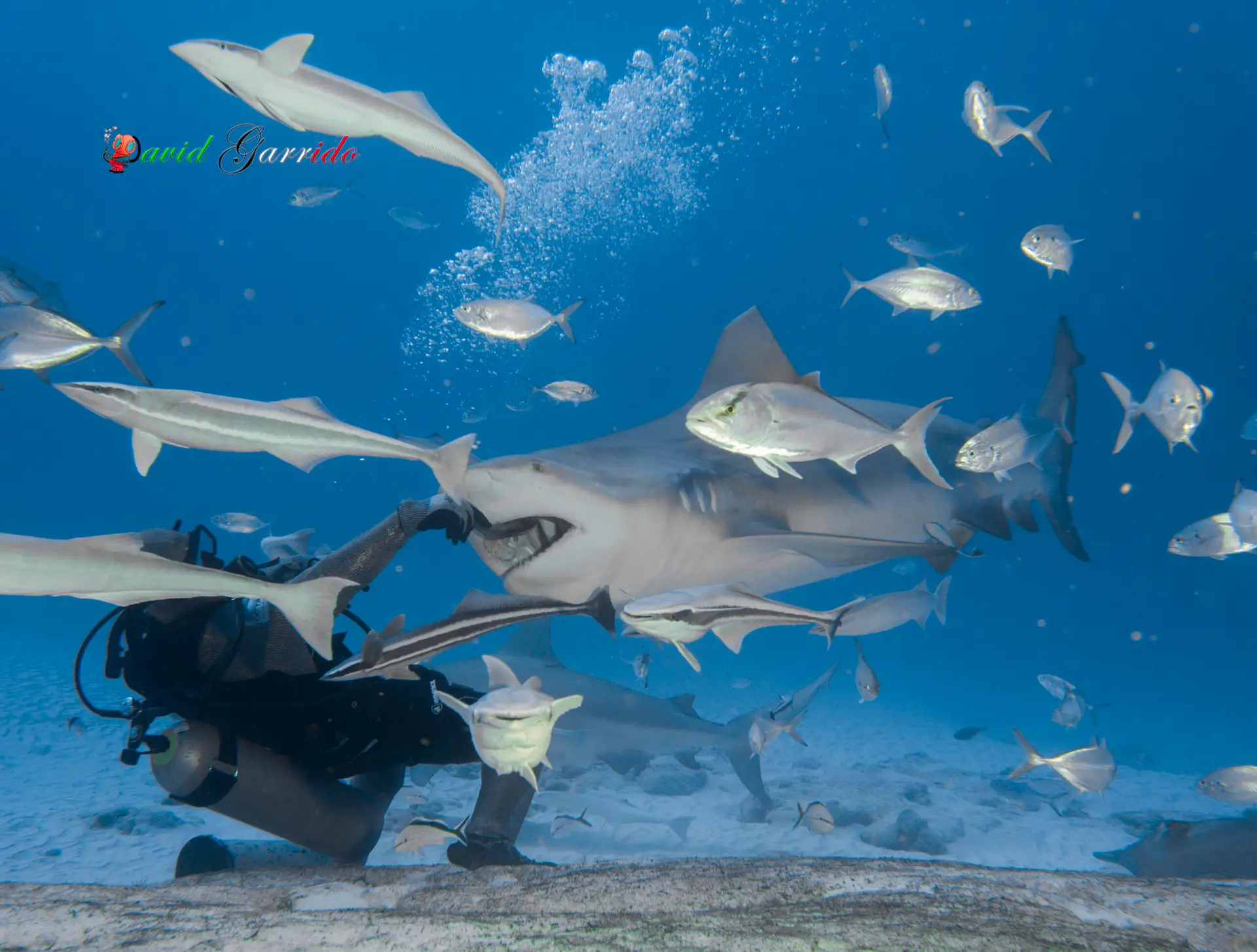
Few places on Earth pack as much diving into one town as Playa del Carmen. In a single week here you can kneel on the sand while bull sharks circle overhead, fly through gin-clear fresh water beneath the jungle, drift along one of the Caribbean’s most famous reef systems, and descend onto a sponge-covered wreck — all without changing hotels. This is our complete local guide to diving in Playa del Carmen: what you can dive, when to come, what conditions to expect, and how to plan it.
Xibalba Divers MX is a dive center based in Playacar, at the heart of the Riviera Maya. Everything below is what we tell our own guests.
Ready to book? Every dive, course and cenote route we run, with prices, is on our page about scuba diving in Playa del Carmen.
The Four Kinds of Diving in Playa del Carmen
1. Local reefs and the Mama Viña wreck
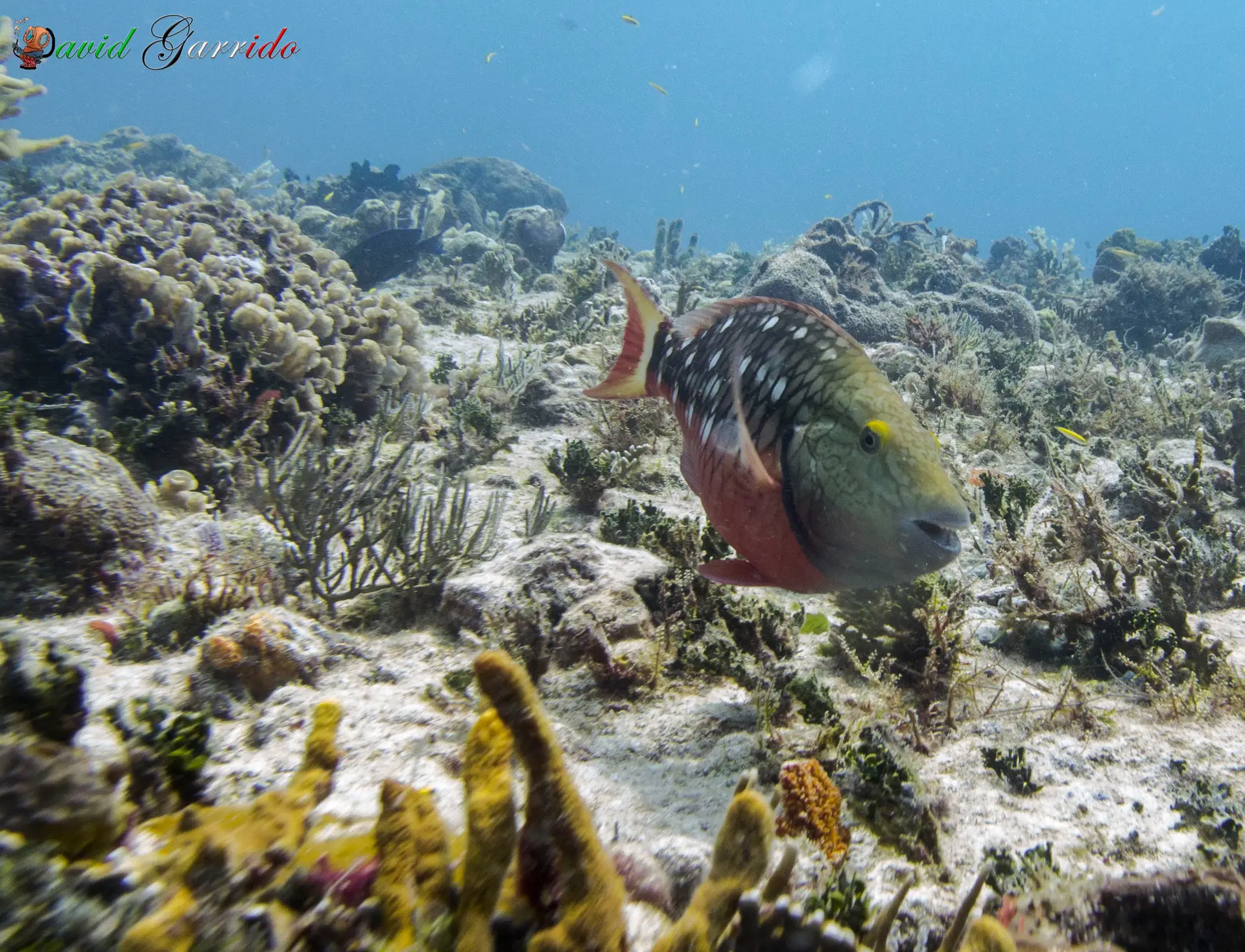
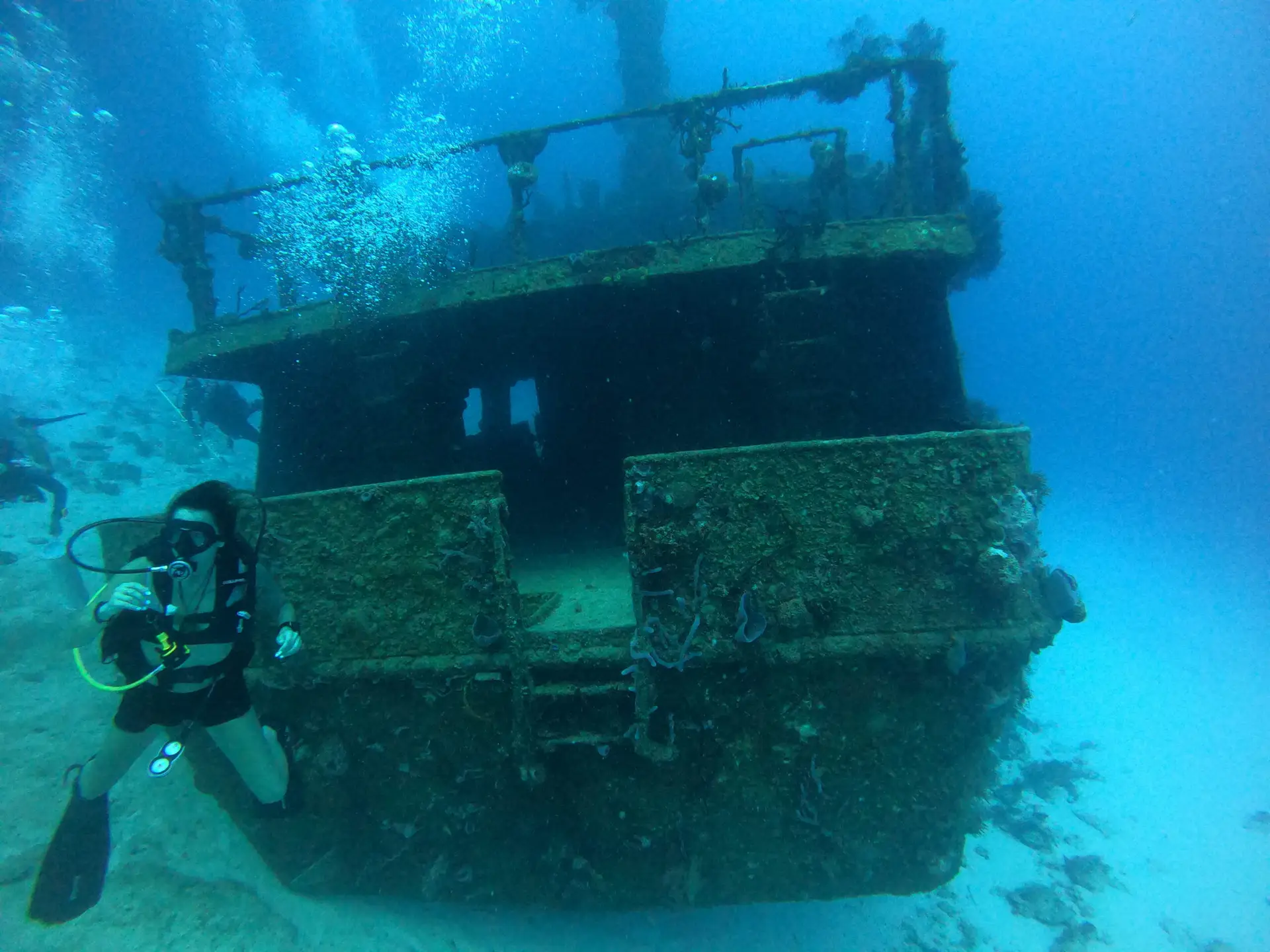
Playa’s home reefs sit a short boat ride from the beach: shallow coral gardens, drift lines, walls, and the town’s signature wreck — the Mama Viña, a shrimp boat sunk as an artificial reef and now wrapped in sponges and patrolled by barracuda. Two-tank fun dives run every morning (2,200 MXN), with sites chosen daily to match conditions and your experience.
2. Bull sharks (November – February)
Every winter, pregnant female bull sharks gather on the sandy bottom just off the beach at around 24 meters — one of the world’s only reliable, cage-free big-shark encounters. Choose a natural observation dive (2,800 MXN, two dives with free Nitrox) or the controlled feeding dive (4,200 MXN). Our full bull shark season guide covers safety, ethics and booking windows.
3. The cenotes
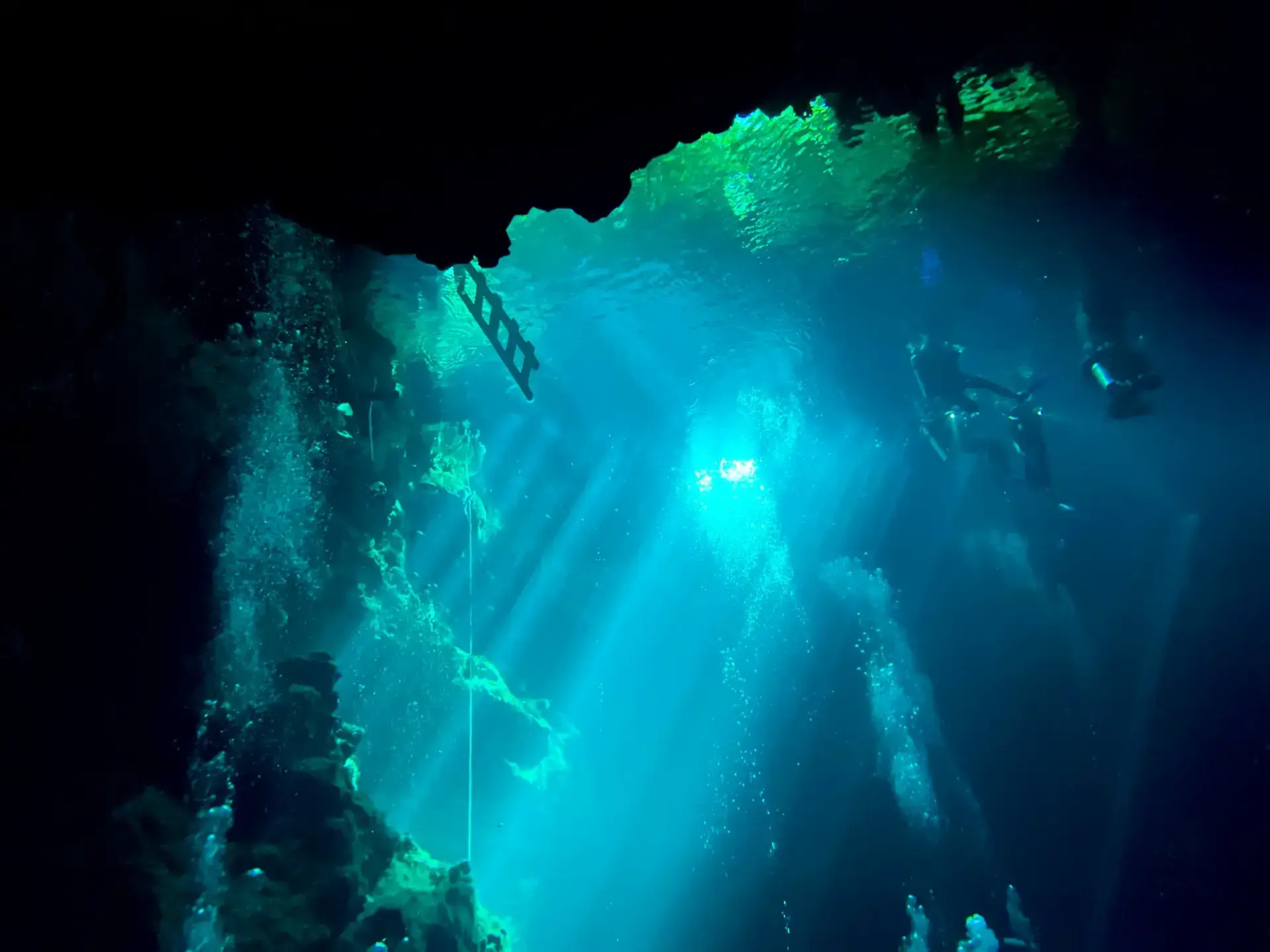
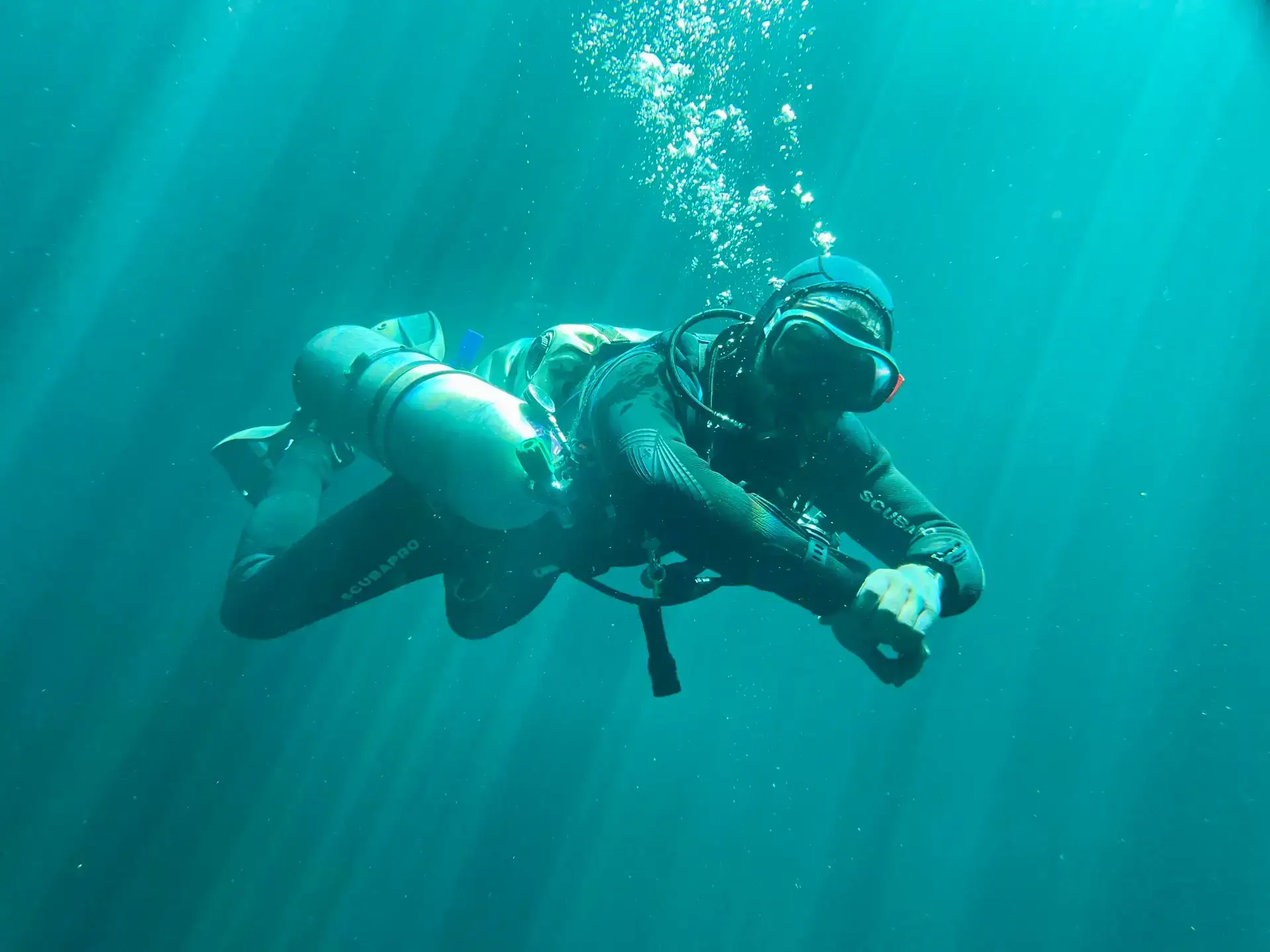
Twenty to forty-five minutes inland, the jungle hides the entrances to the world’s longest underwater cave systems. Guided cenote cavern dives (3,000–3,800 MXN) stay in the daylight zone along permanent lines — available to certified divers whose training and experience suit the selected route — and deliver visibility beyond 30 meters, light beams, haloclines and ice-age rock formations. Start with our guide to the most beautiful cenotes, read what a first cenote dive feels like, and if the caves call you further, here is how divers go from cavern to full cave.
4. Cozumel day trips
The island across the channel needs no introduction — effortless drift dives along sponge-covered walls in some of the clearest water in the Caribbean. Our Cozumel trips (3,400 MXN) meet at Coco Beach in Playa del Carmen at 08:00, cross by speedboat and have you back by 12:30 after two guided dives, with brunch on the boat — no ferry lines, no moving hotels. Torn between the two? Read Cozumel vs Playa del Carmen.
Playa del Carmen is also the easiest base for the rest of the coast, from the Hells Bells near Puerto Morelos to the cenotes near Tulum; our Riviera Maya diving guide maps it all out.
Every price in one place, with what each one includes and the extras to budget for, is in our guide to scuba diving prices in Playa del Carmen.
Dive Conditions at a Glance
- Water temperature: 25–26°C in winter, up to 28–29°C in late summer. Cenotes hold a constant 24–25°C year-round.
- Visibility: commonly 20–30 m on the reefs, 30 m+ in Cozumel and the cenotes.
- Currents: gentle to moderate drift along the coast; Cozumel is classic drift diving; cenotes have none at all.
- Exposure: a 3mm wetsuit suits most ocean diving; we provide 5mm suits for the cooler fresh water of the cenotes.
- Experience level: genuinely something for everyone — calm training reefs for beginners, 30 m+ cenotes and cave country for the experienced.
Marine Life Calendar
- Bull sharks: November – February, right off Playa’s beach.
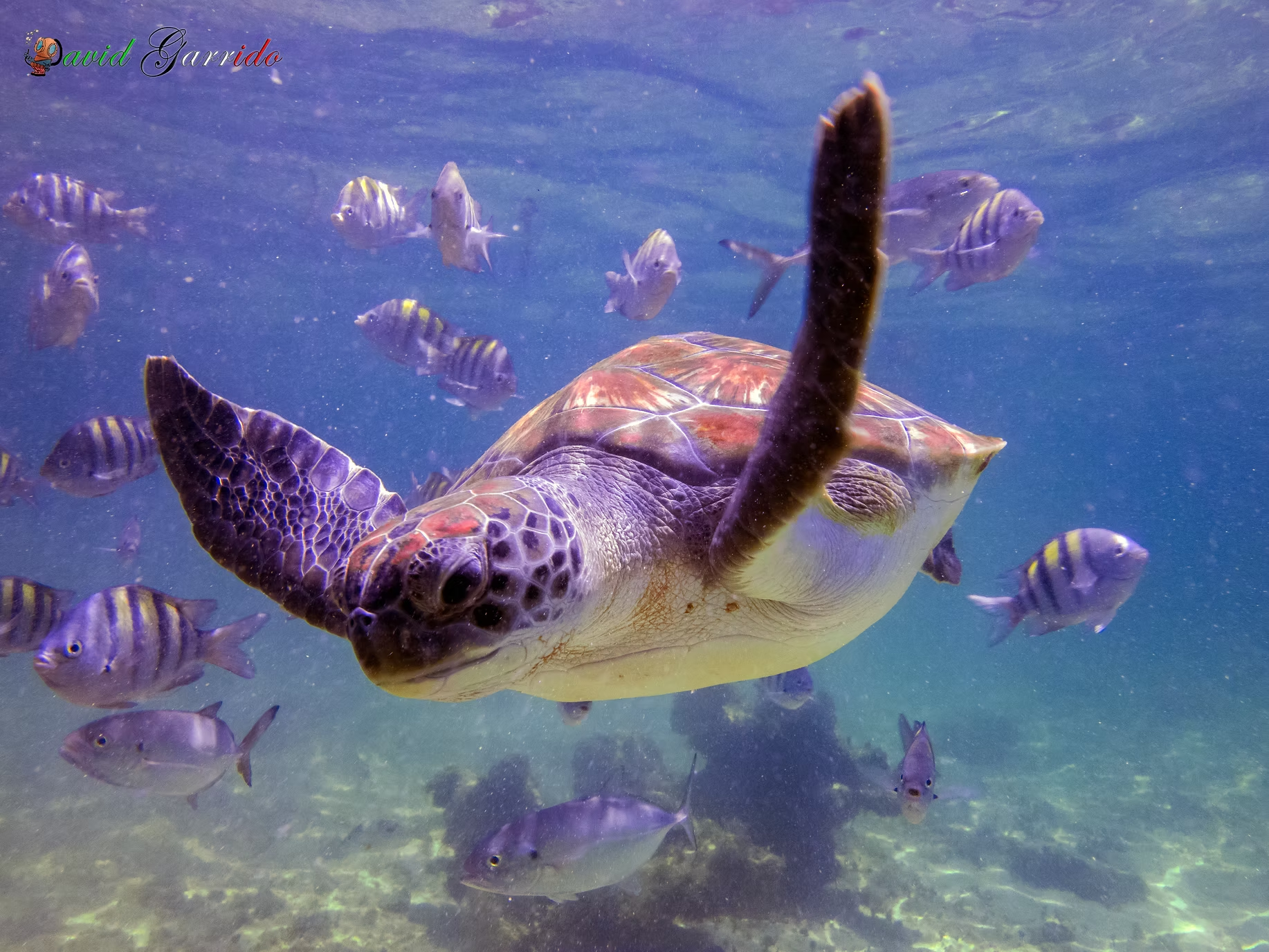
- Turtles: resident year-round on local reefs and in Cozumel, with nesting season on area beaches roughly May – September.
- Rays, morays, barracuda, schooling jacks: daily sightings across the local sites.
- Sailfish: January – March off the coast to the north.
- Whale sharks: June – September near Isla Mujeres — an easy snorkel day trip to add to a dive week.
For a complete picture of seasons and weather, see our month-by-month guide to diving Playa del Carmen.
Never Dived Before? Learn Here
Playa del Carmen is one of the easiest places in the world to become a diver: warm, calm, clear water and small-group instruction. Our Open Water course runs 9,000 MXN all-inclusive over three days — materials, pool training, four ocean dives, equipment and certification fee. The full path from beginner to professional (Advanced, Rescue, Divemaster) is on our courses page, and our certification guide walks through it day by day.
Already Certified? Level Up
The Advanced Open Water course (9,000 MXN, 3 days) unlocks the region’s best deep sites — El Pit, Angelita, the bull shark dive — while the Rescue Diver course builds the judgment every serious diver wants. Certified cave divers can join guided cave dives in the world’s longest underwater systems.
Getting Here & Practical Details
- Airport: fly into Cancun International; Playa del Carmen is roughly 45–60 minutes south by highway (ADO buses and private transfers run constantly).
- Our shop: Xibalba Divers MX is based in Playacar — Av Balamcanché Mz 30 Lt 2C, Playa del Carmen. Hotel pickup for cenote trips covers Playacar and downtown.
- What’s included: cenote days include transport and equipment; reef and shark dives include tanks, weights and water, with rental equipment at 500 MXN per day. Every price is confirmed before you book — no surprise fees.
- Booking: send your dates through the check availability page or message us on WhatsApp (+52 984 177 9735); we confirm options and pricing quickly.
- Flying home: leave 18–24 hours between your last dive and your flight.
Frequently Asked Questions
Is Playa del Carmen good for beginner divers?
Excellent — calm, warm, shallow training sites and year-round conditions make it one of the world’s most popular places to learn. Complete beginners can be certified in three days.
How many days do I need?
Four or five dive days covers the essentials: local reefs and the wreck, a two-cenote day, a Cozumel trip, and — in winter — the bull shark dive. A full week lets you add courses or the deeper cenotes.
Do I need to bring my own gear?
No — full equipment rental is included in our courses and available on all trips. Bring your certification card, swimwear and reef-safe sunscreen (never before cenote dives).
When is bull shark season?
Typically November through February, with the most consistent action mid-season. Book ahead — winter is also high season.
What Divers Say
Read recent reviews from guests of Xibalba Divers MX.
Plan Your Playa del Carmen Dive Trip
Reefs, cenotes, bull sharks and Cozumel — tell us your dates, certification level and wish list, and we will build the perfect week of diving around them.