

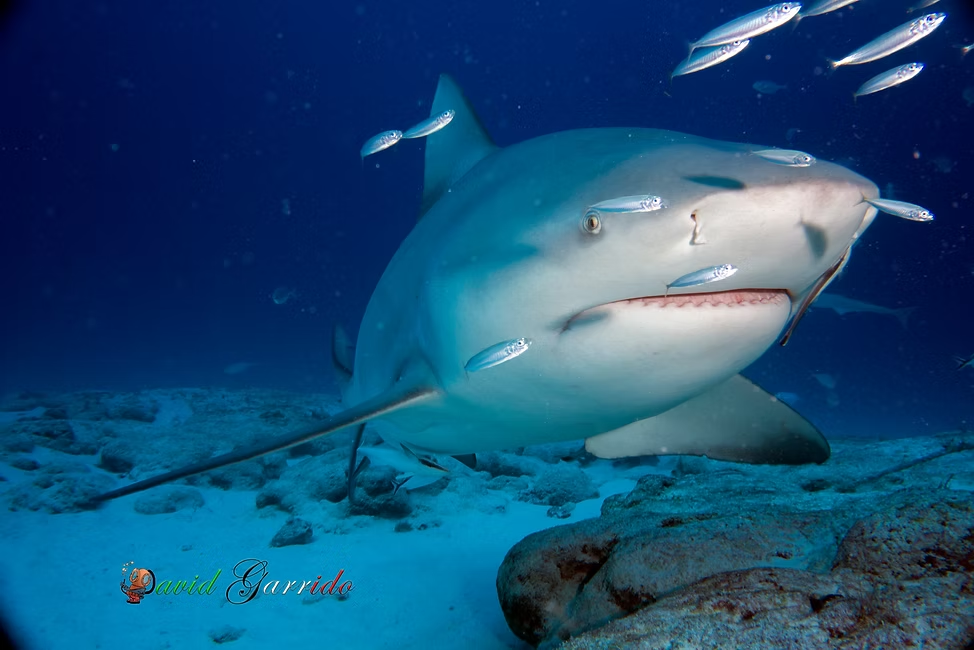
Jeden Winter passiert direkt vor dem Strand von Playa del Carmen etwas Bemerkenswertes: Dutzende Bullenhaiweibchen sammeln sich auf dem Sandgrund, ein paar hundert Meter vom Ufer entfernt. Für ein paar Monate wird dieser Abschnitt der Riviera Maya zu einem der wenigen Orte der Welt, an denen Sporttaucher einen der mächtigsten Räuber des Meeres zuverlässig im offenen Wasser beobachten können, ohne Käfig und nach einer kurzen Bootsfahrt. Sichtungen hängen von den Tieren und den Bedingungen ab.
Hier ist alles, was du wissen musst, für deinen Bullenhai Tauchgang in Playa del Carmen: wann die Saison läuft, wie die Tauchgänge ablaufen, was sie kosten und wie du sie sicher und verantwortungsvoll machst.
Wann ist Bullenhai Saison in Playa del Carmen?
Die Bullenhai Saison läuft durch die Wintermonate, normalerweise von November bis Februar, wobei Beginn und Ende jedes Jahr etwas schwanken, je nach Wassertemperatur und den Haien selbst. Die Tiere, die Playa del Carmen besuchen, sind vor allem große, trächtige Weibchen, die in die flachen Küstengewässer der Gegend kommen. Man nimmt an, dass diese als Ruhe und Tragzeitgebiet dienen, bevor die Haie in nahe Lagunen und Flussmündungen ziehen, um ihre Jungen zur Welt zu bringen.
Weil die Saison kurz ist und die Bedingungen täglich wechseln, sind die Plätze bei Haitauchgängen schnell weg, besonders rund um die Feiertage im Dezember und Januar. Wenn ein Bullenhai Tauchgang auf deiner Liste steht, buche ihn früh in deiner Reise, damit Platz zum Verschieben bleibt, falls das Wetter einen Tauchtag verschiebt. Aktuelle Saisondaten und Verfügbarkeit prüfst du direkt auf unserer Seite zur Verfügbarkeit.
Wie der Tauchgang wirklich ist
Der Bullenhai Platz liegt nah am Ufer, die Bootsfahrt ist also kurz. Nach einem ausführlichen Briefing tauchst du zu einem flachen Sandgrund auf etwa 24 Metern (80 Fuß) ab, wo du in einer Reihe mit deinen Guides kniest. Die Haie, meist Weibchen zwischen 2 und 3,5 Metern Länge, ziehen langsame, weite Kreise um die Gruppe. Die Sicht ist meist hervorragend, und die Begegnungen sind überraschend ruhig: Die Bullenhaie hier sind konzentriert, gelassen und an Taucher gewöhnt, die sich berechenbar verhalten.
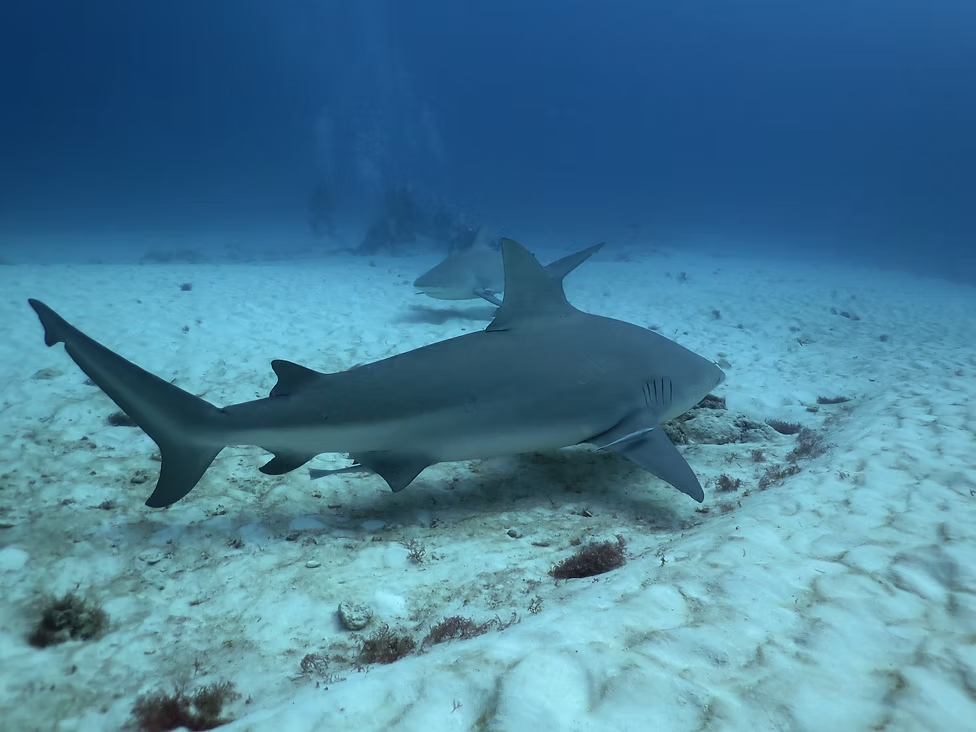
Die Tauchgänge finden in kleinen Gruppen statt, mit erfahrenen Guides, die rund um die Taucher positioniert sind. Du hältst die Hände nah am Körper, bleibst unten, folgst dem Briefing und lässt die Haie das Tempo bestimmen.
Beobachtung oder Fütterung: Was solltest du wählen?
In Playa del Carmen gibt es zwei Formate für Bullenhai Tauchgänge, und es lohnt sich, den Unterschied vor der Buchung zu kennen.
Hai Beobachtungstauchgänge
Bei einem Beobachtungstauchgang gibt es keinen Köder im Wasser. Du besuchst den Sammelplatz der Haie und beobachtest ihr natürliches Verhalten, während sie über den Sand patrouillieren. Bei Xibalba Divers MX beinhaltet der Beobachtungsausflug zwei Tauchgänge, den Haitauchgang auf etwa 24 Metern plus einen flacheren Rifftauchgang (10 bis 12 m), mit kostenlosem Nitrox für zertifizierte Taucher, für 2.800 MXN plus die Meeresparkgebühr von etwa 100 MXN. Das ist unsere Empfehlung für die meisten Taucher: die natürlichere Begegnung und die Wahl, die dem Schutz der Tiere eher gerecht wird.
Haifütterungstauchgänge
Bei einem Fütterungstauchgang: Ein ausgebildeter, professioneller Fütterer lockt die Haie mit Köder an, während die Taucher in einer kontrollierten Reihe hinter Sicherheitstauchern knien. Die Begegnungen sind näher und intensiver. Der Fütterungstauchgang kostet 4.200 MXN für einen Tauchgang, plus die Meeresparkgebühr von etwa 100 MXN, geführt von Spezialisten mit jahrelanger Erfahrung im Umgang mit diesen Begegnungen. Ein Teil der Haitauchgänge in Playa del Carmen unterstützt außerdem lokale Projekte zum Schutz und Monitoring der Haie.
Wenn du unsicher bist, welches Format zu dir passt, lies hier alle Details zu den Haitauchgängen oder schreib uns auf WhatsApp, und wir geben dir eine ehrliche Empfehlung passend zu deiner Erfahrung und deinem Wohlbefinden.
Voraussetzungen: Wer kann diesen Tauchgang machen?
Bullenhai Tauchgänge sind nur für zertifizierte Taucher. Weil der Tauchgang auf etwa 24 Metern mit begrenzter Grundzeit stattfindet, solltest du diese Voraussetzungen erfüllen:
- Zertifizierung: Mindestens Open Water; eine Advanced Open Water Zertifizierung (oder ein Tieftauchgang als Abenteuertauchgang) wird dringend empfohlen, da der Platz tiefer als 18 Meter liegt. Wenn du noch nicht so weit bist: Unseren Advanced Open Water Kurs kannst du in drei Tagen in Playa del Carmen machen.
- Aktuelle Erfahrung: Wenn du länger nicht im Wasser warst, plane vorher einen Aufwärmtauchgang am Riff oder einen Refresher ein. Wir prüfen bei der Buchung Zertifizierungslevel, geloggte Tauchgänge und die letzte Tauchpraxis.
- Gute Tarierung und Selbstkontrolle: Das Briefing ist aus gutem Grund streng. Taucher, die ruhig ihre Position halten, bekommen die besten Begegnungen.
Sind Bullenhai Tauchgänge sicher?
Bullenhaie haben einen furchteinflößenden Ruf, aber die Sicherheitsbilanz der organisierten Haitauchgänge in Playa del Carmen ist gut. Die Tauchgänge folgen bewährten Protokollen: feste Positionen der Taucher auf dem Sand, erfahrene Guides und Sicherheitstaucher, konservative Tiefen und Zeitgrenzen und klare Regeln zu Bewegung und Händen. Tauchen mit Wildtieren birgt immer Risiken. Folge dem Briefing und stell sicher, dass deine Ausbildung und deine aktuelle Erfahrung zum geplanten Tauchgang passen.
Trotzdem sind das große, wilde Raubtiere und keine dressierten Tiere, und genau deshalb ist das Briefing so wichtig und genau deshalb solltest du mit einem Anbieter tauchen, der die Gruppen klein und die Standards hoch hält. Guiding mit Sicherheit an erster Stelle ist die Grundlage für jeden Haitauchgang bei Xibalba Divers MX.
Warum Playa del Carmen eines der besten Ziele der Welt für Bullenhaie ist
Es gibt weltweit nur eine Handvoll Orte mit zuverlässigen Bullenhai Begegnungen, und Playa del Carmen sticht heraus, weil es so gut erreichbar ist. Der Platz liegt Minuten vom Strand, die Saison ist vorhersehbar, das Wasser hat etwa 26 bis 28°C, und du kannst Haitauchen mit Cenote Tauchen und den Riffen von Cozumel auf einer Reise verbinden. Nirgendwo sonst tauchst du am Morgen mit Bullenhaien und am nächsten Tag in einer kristallklaren Cenote.
Der Zeitpunkt deiner Reise ist aber entscheidend: Außerhalb von November bis Februar sinken deine Chancen fast auf null. Das komplette Bild zu Jahreszeiten, Bedingungen und was du wann buchen solltest, findest du in unserem Guide zur besten Reisezeit zum Tauchen in Playa del Carmen.
Häufige Fragen
Brauche ich Advanced Open Water für den Bullenhai Tauchgang?
Der Tauchgang findet auf etwa 24 Metern statt, jenseits der Grenze von 18 Metern für Open Water, deshalb wird eine Advanced Zertifizierung (oder gleichwertige Tiefenerfahrung) dringend empfohlen. Wir prüfen jeden Taucher bei der Buchung individuell.
In welchen Monaten kann ich in Playa del Carmen mit Bullenhaien tauchen?
Die Saison läuft normalerweise von November bis Februar. Am beständigsten sind die Sichtungen in der Mitte der Saison, von Ende November bis Anfang Februar.
Ist ein Haifütterungstauchgang ethisch vertretbar?
Darüber wird diskutiert, auch unter Tauchern. Fütterungstauchgänge in Playa del Carmen folgen kontrollierten Protokollen und helfen, Schutz und Monitoring zu finanzieren, und das Bewusstsein, das durch Haitauchen entsteht, hat zum Schutz der Art beigetragen. Wenn du eine ganz natürliche Begegnung bevorzugst, wähle das Beobachtungsformat.
Können Schnorchler oder Nichttaucher mitkommen?
Nein, das ist ein Tauchgang nur für zertifizierte Taucher. Wenn du noch nicht zertifiziert bist, könntest du zuerst deinen Open Water Kurs machen und bei einem späteren Besuch darauf hinarbeiten.
Was Taucher sagen
Lies aktuelle Bewertungen von Gästen von Xibalba Divers MX.
Buche deinen Bullenhai Tauchgang
Die Bullenhai Saison ist kurz, die Gruppen sind klein, und der Kalender füllt sich schnell. Schick uns deine Reisedaten und dein Zertifizierungslevel, und wir bestätigen Optionen, Bedingungen und Preise, meist innerhalb weniger Stunden.