

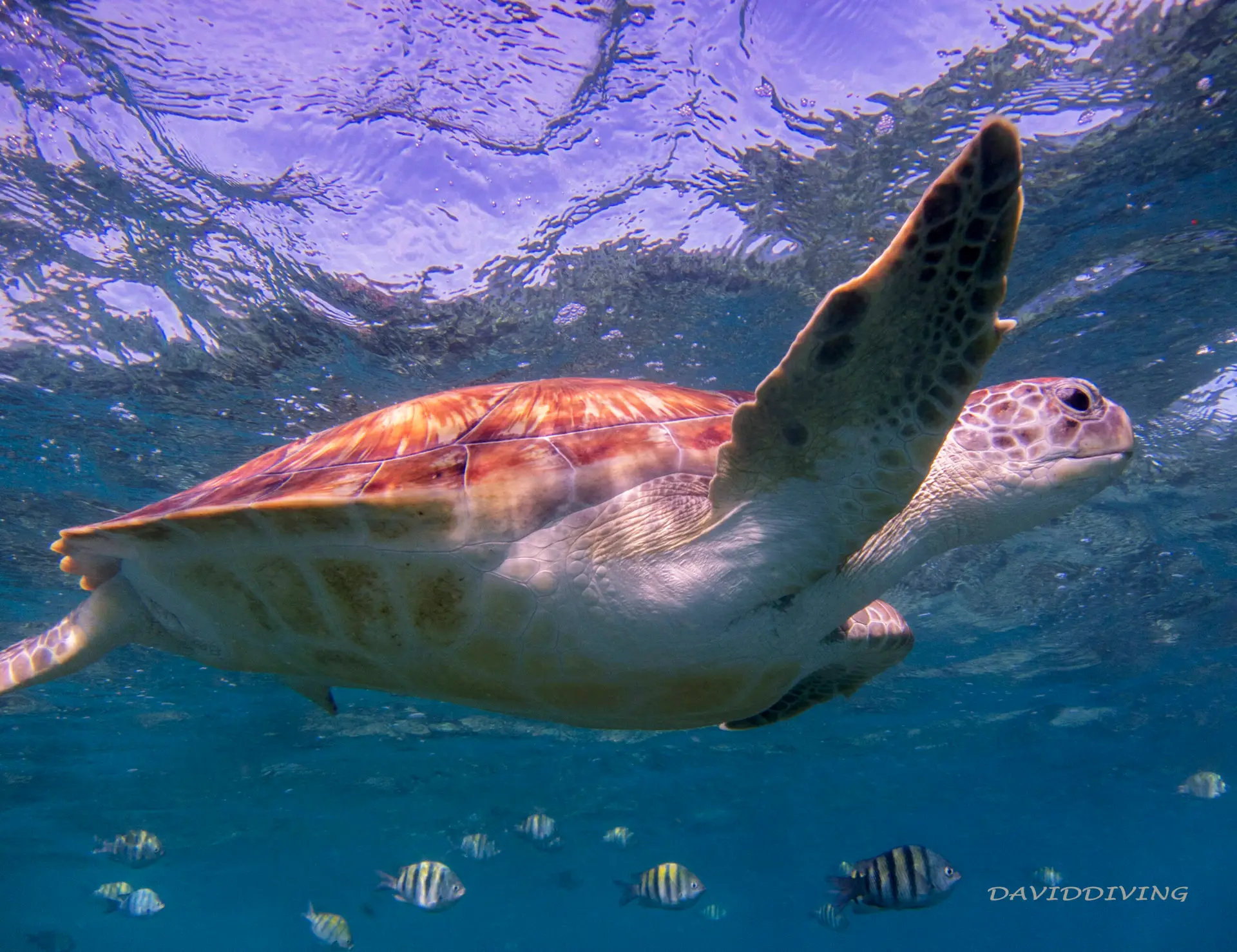
Kurze Antwort: Es gibt keine schlechte Zeit zum Tauchen in Playa del Carmen. Die Karibik bleibt das ganze Jahr warm, die Cenoten sind vor dem Wetter geschützt, und die Boote fahren praktisch jeden Tag raus. Aber jede Jahreszeit bietet etwas anderes, Bullenhaie im Winter, spiegelglatte See im Sommer, ruhige Plätze in der Nebensaison, deshalb hängt der beste Monat für deine Reise davon ab, was du sehen möchtest.
Dieser Guide Monat für Monat behandelt Wassertemperaturen, Bedingungen, Saisons des Meereslebens und was du im Voraus buchen solltest.
Er passt zu unserem Überblick zum Tauchen in Playa del Carmen, der die vier Arten zu tauchen von einer Basis aus erklärt, und zur Seite zum Cenote Tauchen in Playa del Carmen mit den Routen, die bei jedem Wetter funktionieren.
Die Kurzfassung
- November bis Februar: Bullenhai Saison. Kühleres, trockeneres Wetter, hervorragende Sicht. Die gefragtesten Monate, buche früh.
- März bis Mai: Warmes, ruhiges Meer, weniger Andrang nach Ostern. Hervorragendes Tauchen in allen Bereichen.
- Juni bis September: Das wärmste Wasser (bis 29°C), lange ruhige Tage, Nebensaisonpreise bei Unterkünften. Nachmittagsschauer sind kurz.
- Oktober: Der ruhigste Monat unter Wasser und an Land, ideal für flexible Reisende.
- Cenoten: Hervorragend das ganze Jahr bei Regen oder Sonne, konstant 24 bis 25°C.
Wassertemperatur und Bedingungen nach Jahreszeit
Winter (Dezember bis Februar)
Das Meer hat 25 bis 26°C, die meisten Taucher fühlen sich in einem 3 mm Anzug wohl. Gelegentliche Kaltfronten („Nortes“) können einen oder zwei windige Tage bringen, deshalb wählen die lokalen Anbieter die Tauchplätze täglich nach den Bedingungen. Das ist auch die touristische Hochsaison und das Herz der Bullenhai Saison: Wenn dir große Tiere am wichtigsten sind, ist das dein Zeitfenster. Lies unseren kompletten Guide zum Bullenhai Tauchen darüber, wie diese Tauchgänge ablaufen.

Frühling (März bis Mai)
Das Wasser erwärmt sich von 26 auf 28°C, der Wind lässt nach, und die Sicht an den Riffen ist durchgehend hervorragend. Nach der Osterwoche wird es spürbar leerer. Eine schöne Zeit für Cozumel Ausflüge, wenn die Überfahrt über den Kanal am ruhigsten ist.
Sommer (Juni bis September)
Die Karibik erreicht 28 bis 29°C, viele Taucher verzichten ganz auf den Anzug. Morgens ist das Meer meist flach, und technisch ist Hurrikansaison (statistisch am aktivsten von Ende August bis Oktober), doch die allermeisten Sommertage sind ruhig und sonnig. In manchen Jahren kommt Sargassum an die Strände; es stört Sonnenbadende viel mehr als Taucher, und die Cenoten sind nie betroffen.
Herbst (Oktober bis November)
Der Oktober ist der ruhigste Monat: weniger Boote, leere Plätze, und mit dem November tauchen die ersten Bullenhaie auf. Das Wasser bleibt warm mit 27 bis 28°C.
Kalender des Meereslebens
- Bullenhaie: November bis Februar vor Playa del Carmen. Die typische Begegnung mit großen Tieren in der Region. Hier sind die Optionen für Haitauchgänge.
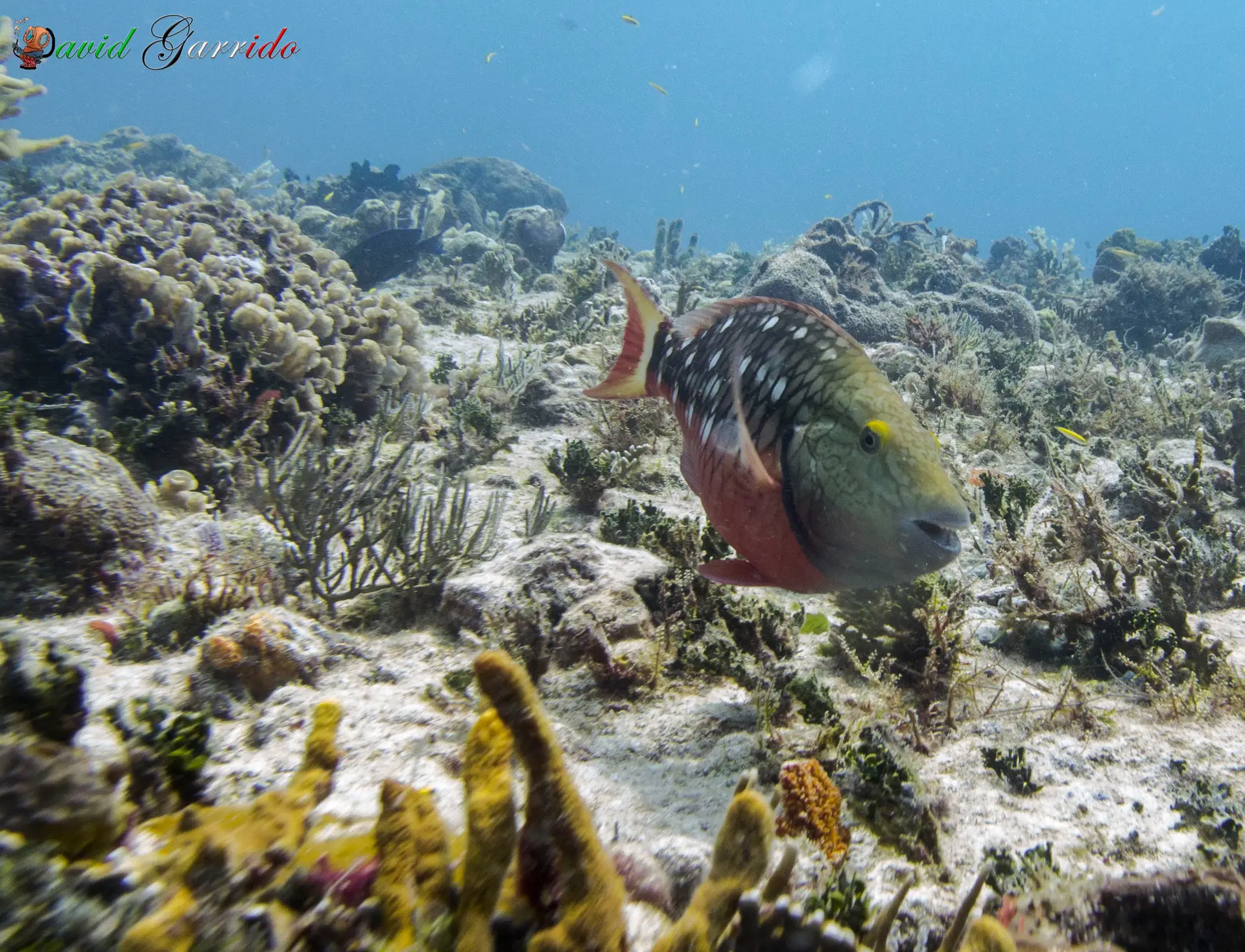
- Schildkröten, Rochen, Muränen, Ammenhaie: ganzjährig an den Hausriffen zu Hause.
- Adlerrochen: am häufigsten in den kühleren Monaten zu sehen, wenn sie an den Wänden entlanggleiten, etwa von Dezember bis März.
- Segelfische: Januar bis März weiter nördlich vor der Küste, für alle, die eine Schnorchelsafari dazunehmen.
- Walhaie: Juni bis September vor Isla Mujeres und Cancún: ein Schnorchelausflug, kein Tauchgang, aber leicht mit einem Tauchurlaub in Playa del Carmen zu kombinieren.
Und eine Attraktion hat überhaupt keine Saison: das Wrack Mama Viña, ein als künstliches Riff versenktes Krabbenboot, bewacht von Barrakudas und überzogen mit Schwämmen, einer unserer liebsten Tauchgänge vor Ort, in jedem Monat des Jahres.
Cenoten: der Trumpf für das ganze Jahr
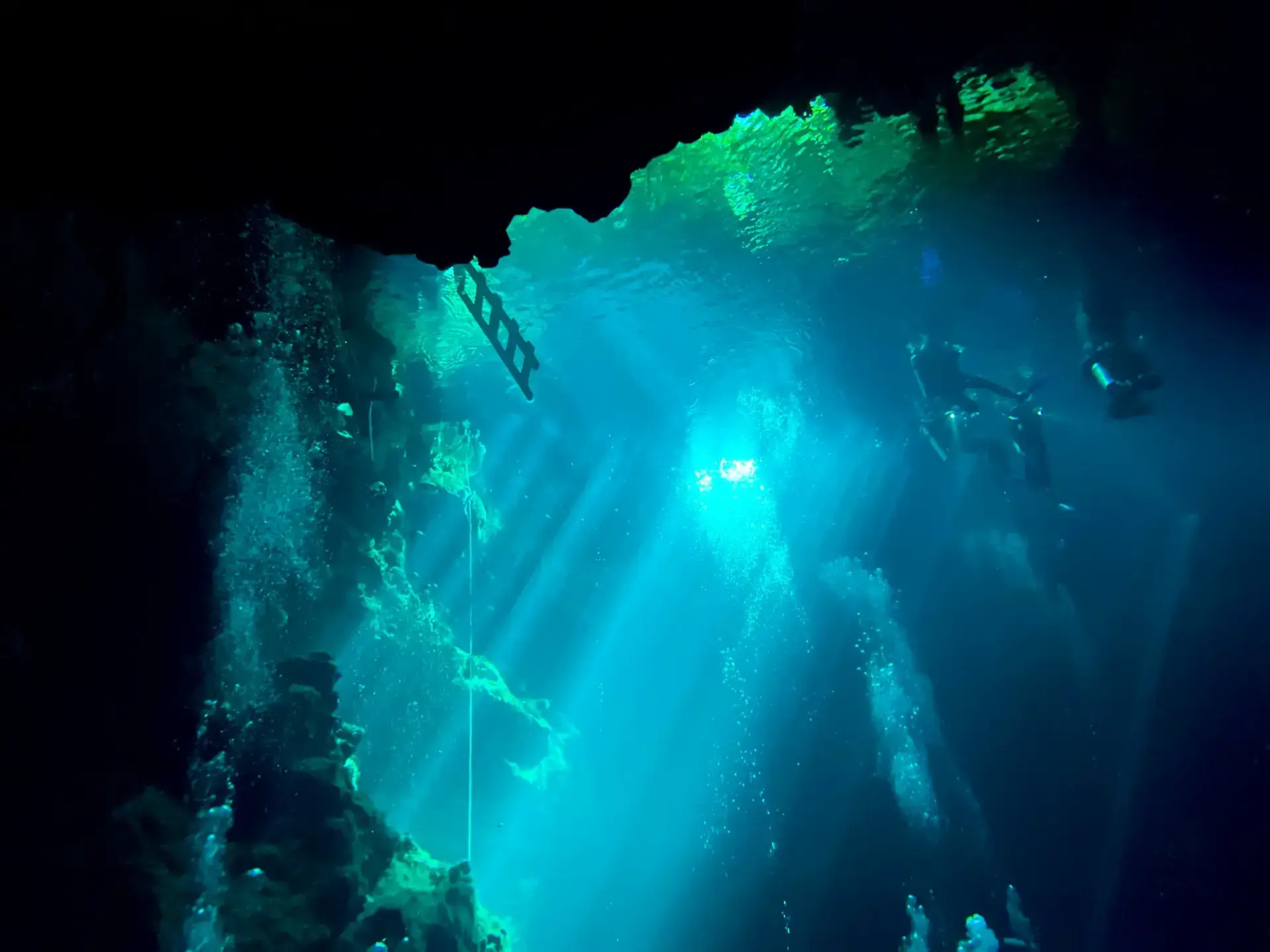
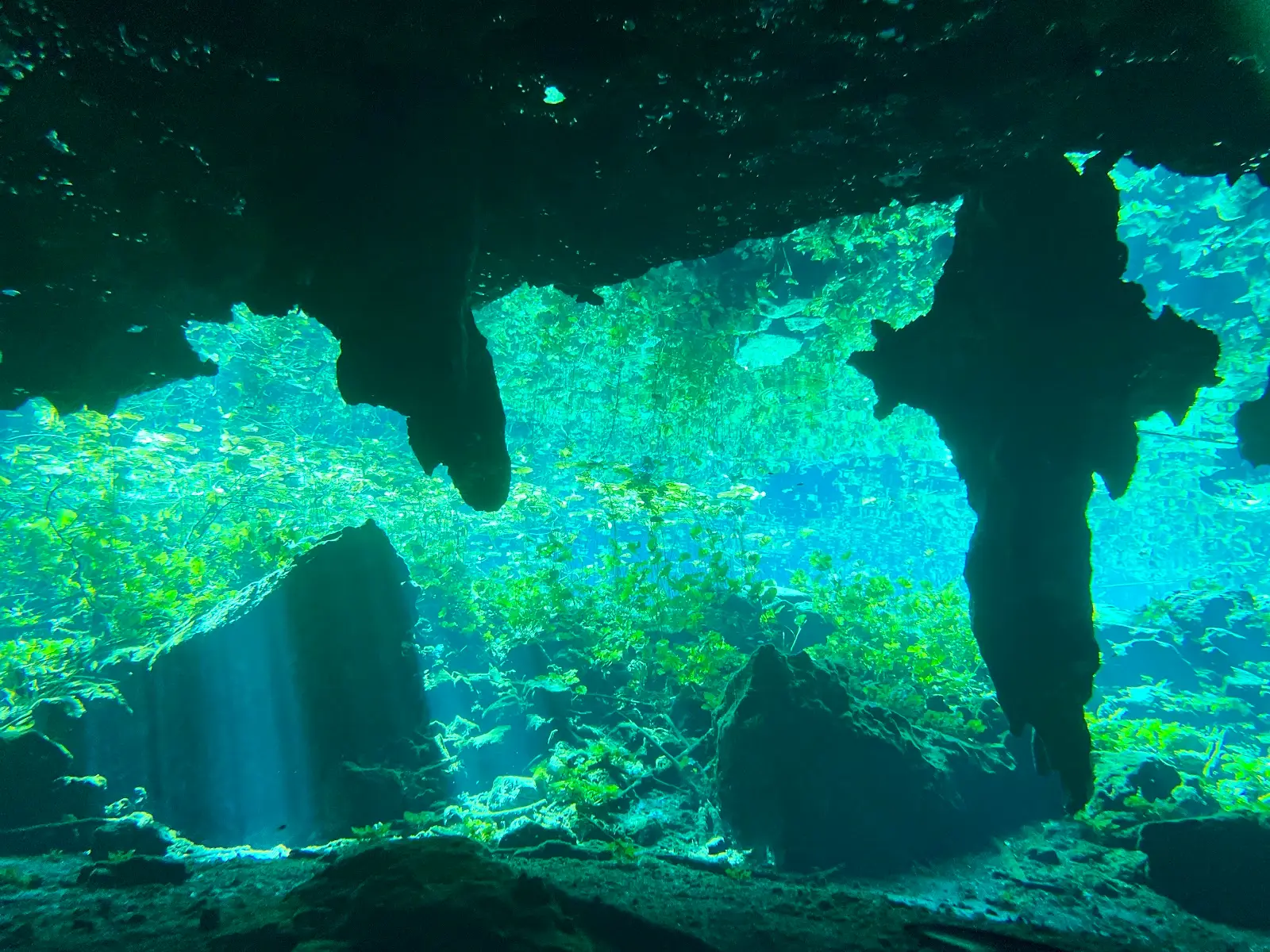
Was Playa del Carmen als Tauchziel einzigartig macht: Das Wetter sagt deine Tauchgänge fast nie ab. Wenn ein seltener windiger Tag das Meer schließt, sind die Cenoten der Riviera Maya nur Minuten entfernt: Süßwasser mit konstant 24 bis 25°C, Sicht oft über 30 Meter und Lichteffekte, die an sonnigen Tagen zwischen etwa 11 Uhr vormittags und 2 Uhr nachmittags am schönsten sind. Der Sonnenstand im Sommer macht die berühmten Lichtstrahlen in Cenoten wie Kukulkan und El Pit besonders dramatisch. Neu beim Cenote Tauchen? Starte mit unserem kompletten Guide zum Cenote Tauchen.
Du planst mehr als eine Art zu tauchen? Unser Guide zum Tauchen an der Riviera Maya bringt Riffe, Cenoten, Cozumel und die Bullenhaie in einer Woche zusammen.
Monat für Monat auf einen Blick
- Januar: Bullenhaie, klare Sicht, viel los. Buche alles im Voraus.
- Februar: Letzter sicherer Monat der Hai Saison; trocken und angenehm.
- März: Warmes Meer, Spring Breaker an Land, tolles Tauchen am Riff.
- April: Ruhig, klar, weniger los nach Ostern. Hervorragende Bedingungen auf Cozumel.
- Mai: Gute Preise in der Zwischensaison; das Wasser erreicht 28°C.
- Juni bis Juli: Die wärmsten, ruhigsten Morgen; die Walhai Saison beginnt in der Nähe; die schönsten Lichtstrahlen in den Cenoten.
- August: Heiß und ruhig; kurzer Regen am Nachmittag; Nebensaisonpreise.
- September bis Oktober: Die ruhigsten Monate; behalte die Vorhersage im Blick, aber genieße leere Plätze und flexible Planung.
- November: Die Haie kommen zurück; das Wetter kühlt ab; vor den Feiertagen ist noch wenig los.
- Dezember: Beste Bedingungen und größte Nachfrage: Reserviere Tauchgänge und Kurse früh.
Wann solltest du im Voraus buchen?
Für Dezember bis Februar, besonders Bullenhai Tauchgänge und Tauchen in Ferienwochen: Reserviere, sobald deine Reisedaten feststehen. Kurse wie die Open Water Zertifizierung brauchen drei aufeinanderfolgende Tage, deshalb lohnt es sich, auch sie früh festzumachen. Den Rest des Jahres reichen meist ein paar Tage Vorlauf, auch wenn Cenote Ausflüge mit maximal vier Tauchern pro Guide trotzdem von einer frühen Buchung profitieren. Schick uns deine Reisedaten über unsere Seite zur Verfügbarkeit und wir bestätigen schnell per WhatsApp oder Email.
Häufige Fragen
Wie warm ist das Wasser in Playa del Carmen?
Die Karibik hat etwa 25°C im Winter bis 29°C im Spätsommer. Die Cenoten bleiben das ganze Jahr konstant bei 24 bis 25°C; im Süßwasser tragen die meisten Taucher einen 3 mm oder 5 mm Anzug.
Verdirbt die Hurrikansaison das Tauchen?
Selten. Die Saison geht offiziell von Juni bis November, aber direkte Treffer sind selten, und an den meisten Tagen kann getaucht werden. Die lokalen Anbieter prüfen die Bedingungen täglich und können auf Cenoten ausweichen, wenn das Meer rau ist.
Ist Tauchen in Playa del Carmen in jedem Monat gut für Anfänger?
Ja: Ruhiges, warmes, klares Wasser macht es zu einem der einfachsten Orte der Welt, um tauchen zu lernen. Siehe unseren Guide Tauchschein in Playa del Carmen.
Was ist im Winter besser: Cozumel oder Playa del Carmen?
Beide sind ausgezeichnet; Playa hat die Bullenhaie, Cozumel die berühmten Drifttauchgänge. Unser Vergleich Cozumel oder Playa del Carmen erklärt alles im Detail, auch wenn du bei täglichen Booten gar nicht wählen musst.
Was Taucher sagen
Lies aktuelle Bewertungen von Gästen von Xibalba Divers MX.
Plane deine Tauchreise
Egal in welchem Monat du reist, erstklassiges Tauchen wartet auf dich. Schick uns deine Reisedaten, und wir planen die richtige Mischung aus Riff, Cenoten und Haitauchgängen passend zur Saison.